
NO. 0819022016—2026
A DECADE IN MOTION
From The Last Whip
to TRAPO 2
Ahead of TRAPO 2, HWING looks back at the South London rapper’s near-decade journey from masked drill phenomenon to one of the defining voices of modern UK rap.
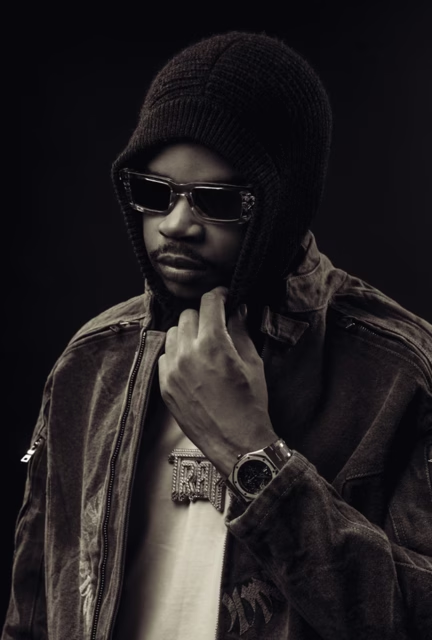
Ahead of TRAPO 2, HWING looks back at the South London rapper’s near-decade journey from masked drill phenomenon to one of the defining voices of modern UK rap.
There was a time when nobody really knew what K-Trap looked like.
The balaclava was part of the image, but the mystery was never the main attraction. It was the voice.
Heavy, instantly recognisable and delivered with a composure that made even his most chaotic street stories sound calculated, K-Trap emerged during a period when UK drill was still defining itself. Nearly a decade later, the mask is long gone, the stages are considerably bigger and the music has travelled far beyond the confines of the scene that introduced him.
Yet K-Trap still sounds unmistakably like K-Trap.
That might ultimately be the most important part of his story.
On 21 August 2026, he returns with TRAPO 2, an 18-track sequel to his 2021 mixtape Trapo. The record arrives at another interesting point in his career: no longer an emerging drill rapper with something to prove, but an established figure whose catalogue has helped document drill’s movement from London’s underground into the centre of British popular music.
To understand what TRAPO 2 represents, you have to go back to when everything surrounding K-Trap was considerably less polished.
Gipsy Hill and the beginning
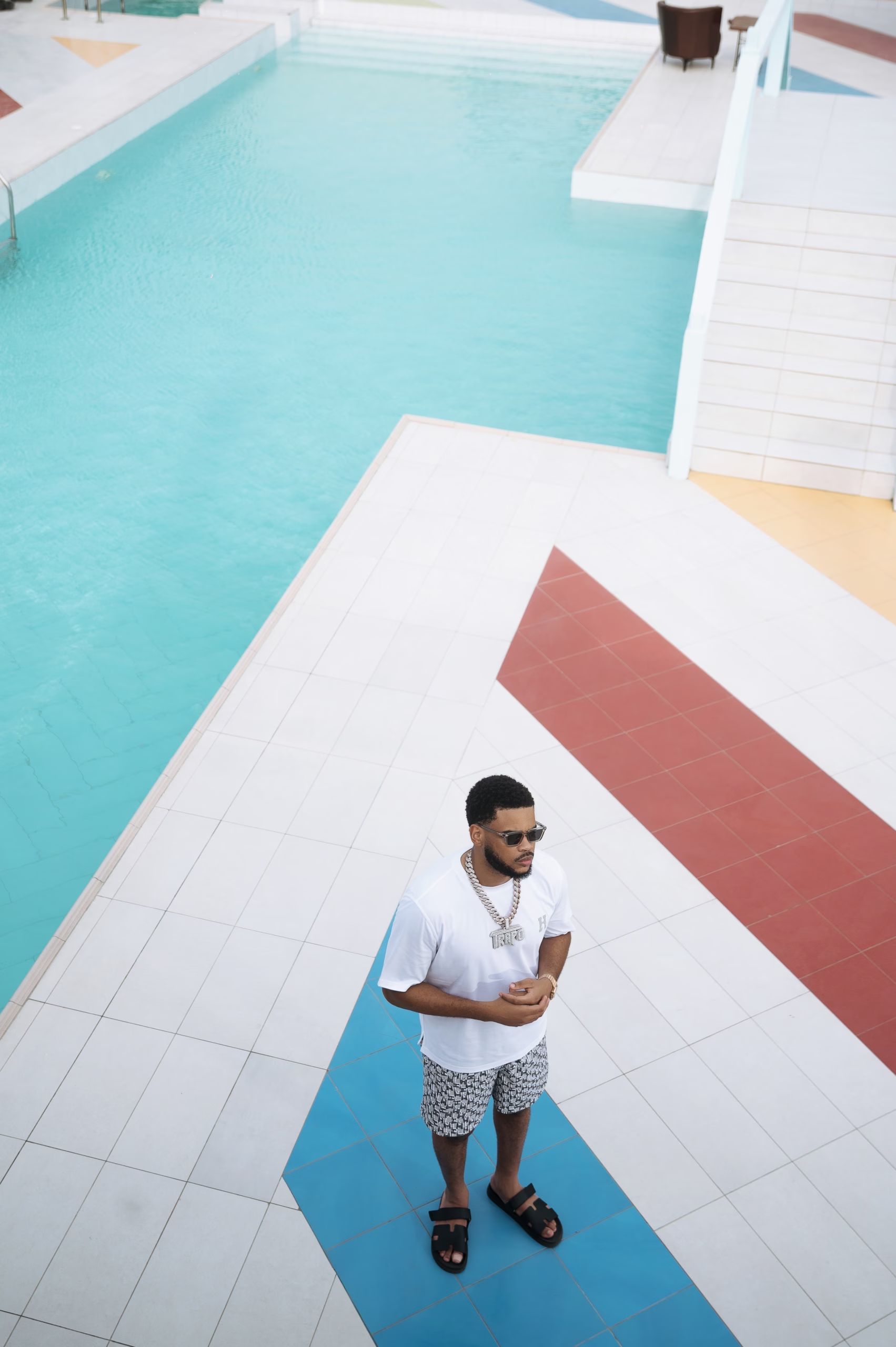
Raised in Gipsy Hill, South London, K-Trap grew up listening to more than the genre that would eventually make his name. R&B, reggae and hip-hop were part of his musical foundation before drill became his vehicle.
Around 2016, his name began circulating through records including “Trapline Bling”, alongside Mischief and Youngs Teflon, and “David Blaine.”
The timing mattered.
UK drill was developing its own identity, particularly across South London. The production was darker, the flows were becoming increasingly distinctive and YouTube platforms were giving artists a route directly to listeners without waiting for traditional radio or record-label approval.
K-Trap fitted naturally into that environment.
But even amongst a generation of masked rappers and ominous visuals, he sounded different. There was weight behind his delivery. He could attack a beat without sounding rushed, moving between flows while retaining a conversational quality that made his writing feel less like performance and more like reportage.
Then came the project that changed everything.
The Last Whip: the cult classic
Released in 2017, The Last Whip became K-Trap’s breakthrough statement.
Tracks including “No Hook,” “No Convo,” “Paper Plans” and the title track helped establish the blueprint: stark production, uncompromising storytelling and the booming vocal presence that would become one of his signatures.
The mixtape also featured artists including Blade Brown, Dimzy, Mischief and Youngs Teflon — names connected to the wider lineage of South London road rap.
What made the project significant wasn’t simply that it was successful. It established K-Trap as an artist capable of building a complete body of work around the sound.
That same year came another rite of passage.
K-Trap entered Charlie Sloth’s Fire in the Booth.
By September 2017, GRM Daily described him as a South London artist who had been generating considerable noise throughout the year, with videos already accumulating serious numbers. The freestyle gave a wider audience an opportunity to hear exactly why.
The foundations had been laid.
The mask comes off
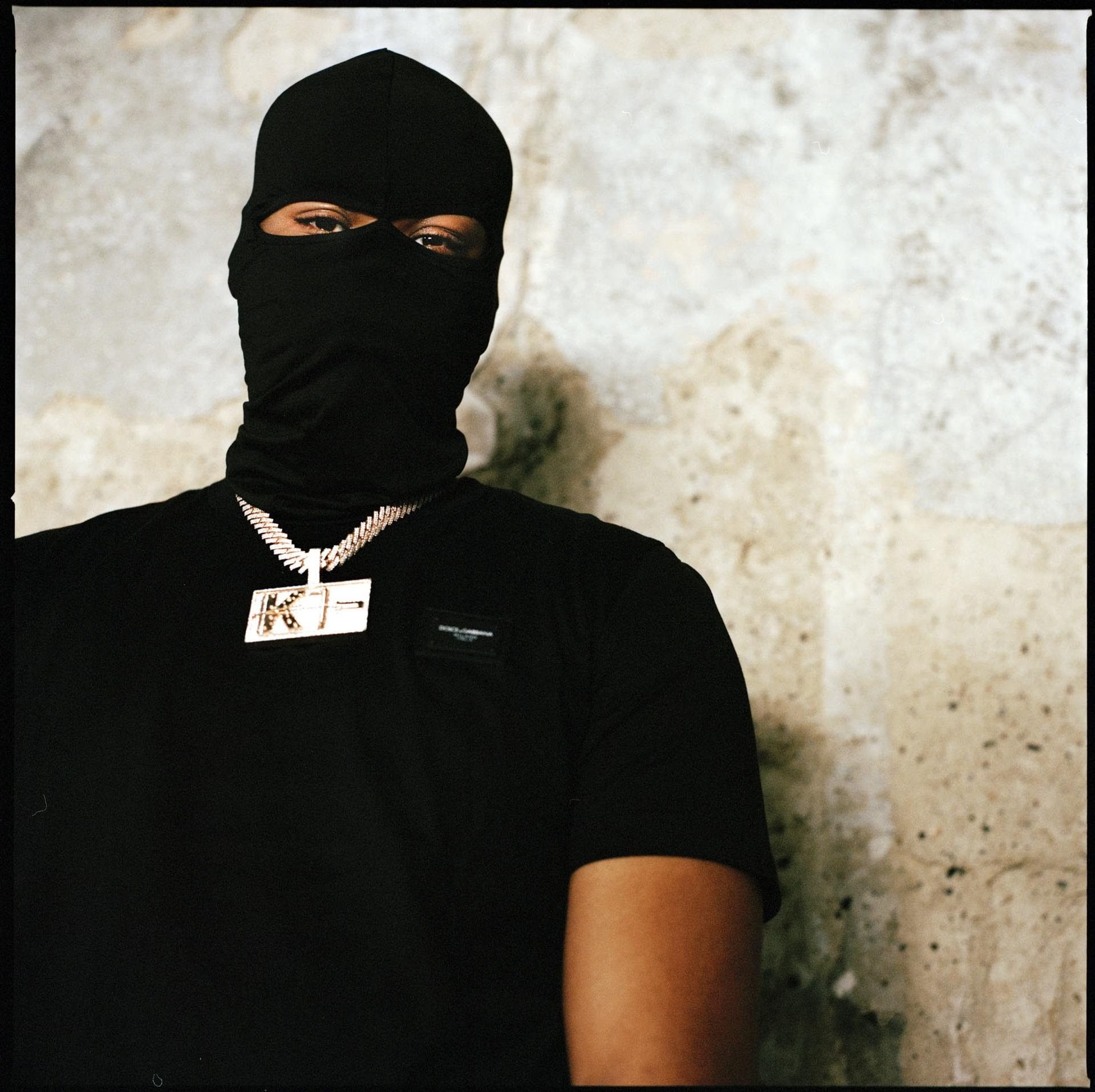
K-Trap’s anonymity became one of the defining images of his early career.
Then he removed it.
The transition culminated around the No Magic era, with the “Big Mood” visual marking one of the most important image changes of his career.
It could easily have become a gimmick.
Instead, removing the mask became symbolic of something much bigger: K-Trap was gradually separating the artist he wanted to become from the circumstances that had originally shaped the music.
He later explained that moving further away from street life, wanting to connect properly with listeners and becoming recognisable as an artist all influenced the decision.
There is an interesting irony here. Years later, masked UK rappers would become increasingly normalised, and K-Trap acknowledged that, knowing what he later learned, he might not necessarily have removed it.
But he didn’t regret the decision.
It was simply another chapter.
The change also coincided with musical expansion.
Records such as “Change” demonstrated a more reflective side, while K-Trap began proving that the aggression of drill was a tool rather than the entirety of his identity.
When the industry didn’t understand the music
K-Trap’s rise also tells another story about UK drill: the industry’s complicated relationship with it.
In 2019, he signed with Black Butter.
On paper, it represented progression. Drill was growing rapidly and K-Trap was one of its most credible emerging stars.
The reality was more complicated.
K-Trap later spoke about signing without fully understanding the implications of the deal and feeling that the people around the music didn’t always understand what he was creating.
That tension eventually affected the work.
His 2020 project Street Side Effects reached No. 26 on the UK Albums Chart, but K-Trap has since reflected on feeling that his core listeners weren’t connecting with the music in the way they previously had.
Commercial progression had created an artistic problem.
Was he making music for the audience that built him, for a record company trying to develop him, or for himself?
Eventually, he chose himself.
Leaving the label and operating through his own Thousand8 imprint became one of the most important moves of his career.
What followed was arguably the strongest run of his catalogue.
Trapo and the record that changed the scale
2021’s Trapo sounded like an artist regaining control.
And sitting at the centre of the project was “Warm.”
Sometimes an artist’s biggest record is carefully engineered to be one.
“Warm” didn’t feel like that.
The production was sparse. K-Trap wasn’t chasing a pop chorus or radically changing his delivery. Instead, everything people already valued about him was distilled into a record that suddenly travelled much further.
It became his defining crossover moment.
“Warm” eventually went Platinum in the UK and reached No. 17 on the UK Singles Chart. A remix with Skepta extended its lifespan further.
HWING covered the moment when K-Trap finally unveiled the “Warm (Remix)” featuring Skepta, a collaboration that connected two different generations of London rap authority.
The importance of “Warm” goes beyond streaming figures.
It proved K-Trap didn’t have to dilute his identity to create a mainstream rap record.
Years later, he would perform the track at London’s O2 as Anthony Joshua’s ring-walk music in front of more than 20,000 people.
The rapper who had once hidden his identity was now providing the soundtrack to one of Britain’s biggest sporting stars entering an arena.
Blade Brown, Headie One and strengthening the lineage
K-Trap’s collaborations also reveal something about where he sits within British rap.
His relationship with Blade Brown connects him directly to the road-rap tradition that helped create the environment from which drill emerged.
Their Joints project in 2022 formalised years of musical chemistry.
Then there is Headie One.
Few partnerships better represent the generation of drill artists who managed to turn the genre’s underground momentum into lasting careers.
Their chemistry eventually produced 2023’s STRENGTH TO STRENGTH.
The collaborative mixtape peaked at No. 4 on the UK Albums Chart, giving K-Trap his first UK Top Five project.
HWING followed the rollout closely — from their joint Daily Duppy, to “Park Chinois,” “Triple Threat” and the eventual release of STRENGTH TO STRENGTH.
HWING ARCHIVEHeadie One & K-Trap Unite for a Powerful Mixtape: “Strength to Strength” READ STORY ↗What makes the partnership work is that neither rapper needs to abandon his identity for the collaboration.
Headie’s unusual pockets and elastic cadence contrast with K-Trap’s heavier delivery. They don’t compete for the same space; they attack the production from different angles.
By this stage, the wider industry had caught up too.
K-Trap won Best Drill Act at the MOBO Awards in both 2022 and 2024, recognition of a career that had survived long enough to watch drill move from controversy to an established category within British music.
The Last Whip II: returning without going backwards
Sequels in rap can be dangerous.
Calling a project The Last Whip II immediately invited comparisons with the mixtape that established K-Trap five years earlier.
But the 2022 project wasn’t simply an attempt to recreate 2017.
It showed the difference between returning to your foundations and being trapped by them.
There was still darkness, still drill and still the street detail listeners expected. But K-Trap was more willing to let other emotions enter the room.
He described the music around that period as being about growth and becoming increasingly comfortable discussing personal subjects.
That distinction is important.
The early K-Trap documented what was happening around him.
The more mature K-Trap increasingly began documenting what those experiences had done to him.
The Last Whip II reached No. 12 in the UK — at the time his highest-charting solo project.
HWING ARCHIVEK-Trap Releases “The Last Whip II” READ STORY ↗Learning to SMILE?
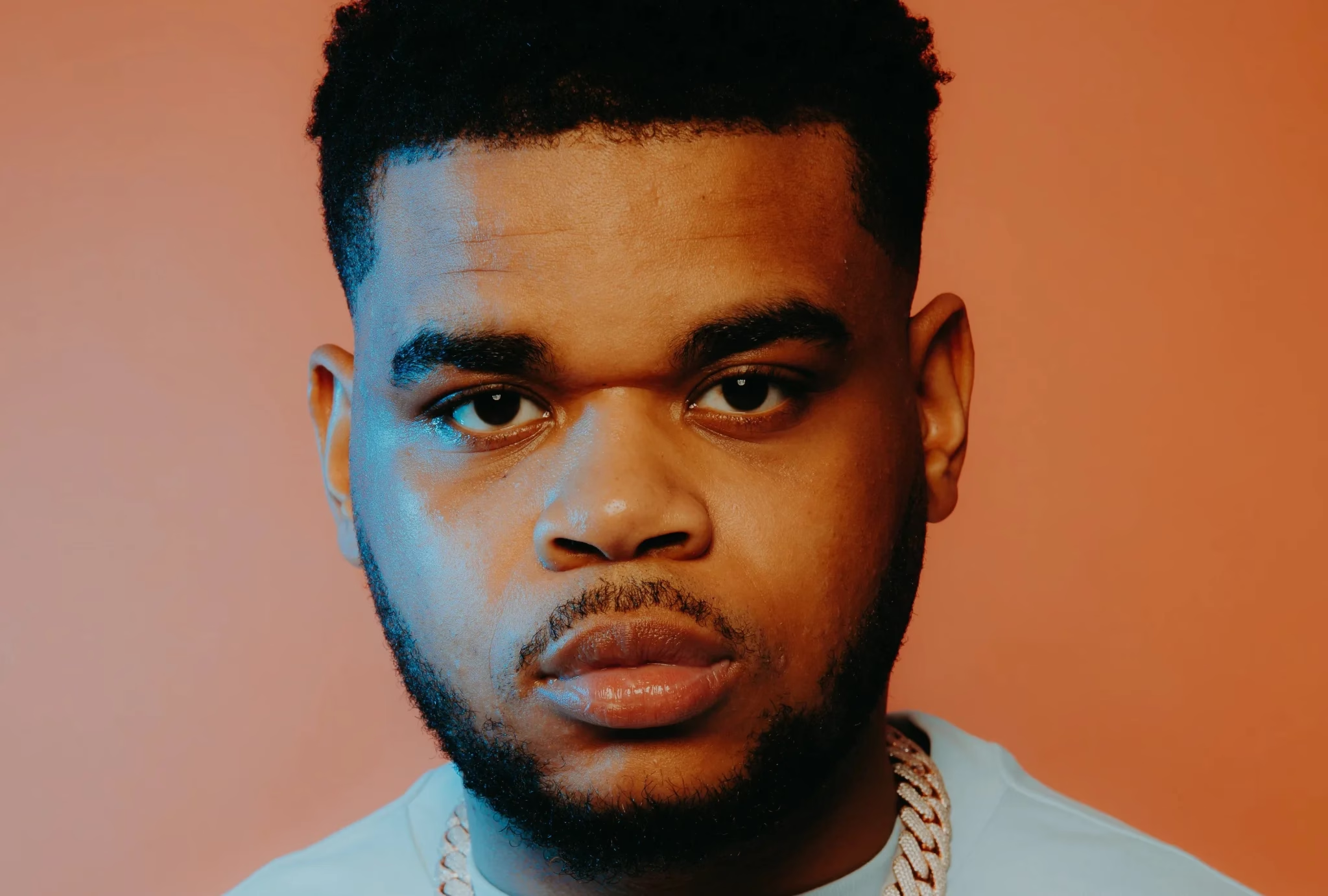
Then came the question mark.
SMILE?, released in 2024, was presented as K-Trap’s debut studio album despite the extensive catalogue preceding it.
Even its title felt revealing.
By now the subject wasn’t simply survival or progression. K-Trap was examining the contradictions created by success: money against memory, achievement against trauma, the public artist against the naturally reserved person behind him.
The project expanded his palette while keeping familiar collaborators close. Blade Brown appeared alongside voices including Angel, D-Block Europe, Highlyy, Dré Six and Sharna Bass.
And commercially, it marked another breakthrough.
SMILE? entered the UK Albums Chart at No. 10 and topped the UK’s Official Hip Hop and R&B Albums Chart.
For an artist who had once worried that broadening his sound might alienate his listeners, a Top 10 album offered a significant answer.
Evolution had not required abandoning the foundation.
From drill rapper to UK rap institution
By this point, describing K-Trap simply as a “drill rapper” had become increasingly inadequate.
Drill remains central to his musical DNA. It is impossible — and unnecessary — to remove him from it.
But his catalogue now reaches into road rap, trap, melodic records and increasingly introspective songwriting.
More importantly, his career has outlived several cycles of UK rap.
He has gone from YouTube freestyles and masked videos to Platinum records, Top 10 projects, major festival stages and a BRIT Award nomination.
He has watched drill move from a genre treated with suspicion by sections of the media and music industry to one of Britain’s most internationally recognisable musical exports.
And he has done so while maintaining unusual credibility with the audience that encountered him first.
That’s difficult.
Rap audiences are particularly sensitive to artists appearing to abandon the sound or community responsible for their success.
K-Trap’s evolution has largely worked because it has felt incremental rather than manufactured.
He hasn’t replaced Trapo.
He’s added layers to him.
The road to TRAPO 2
Which brings everything back to 2026.
K-Trap has spent the months approaching TRAPO 2 giving listeners different pieces of the picture.
On “MYSTERY BOX,” he reunited with Headie One, returning to a partnership responsible for some of the strongest records in both artists’ catalogues.
HWING described the record as another example of their “calculated intensity”, with K-Trap’s controlled delivery operating alongside Headie’s distinctive cadence.
HWING ARCHIVEK-Trap & Headie One Reunite on “MYSTERY BOX” READ STORY ↗Then came America.
“CHANGE” featuring Chicago’s G Herbo connected two rappers separated geographically but linked by the way street rap has shaped their respective careers.
It’s an important collaboration.
K-Trap doesn’t sound like a UK rapper awkwardly entering an American record. G Herbo doesn’t feel pasted onto a British drill single. Their shared language is experience.
With “CAN’T SAY NO,” K-Trap moved in another direction, bringing Young Adz into the record.
HWING noted how the pairing works through contrast: K-Trap’s controlled precision against Adz’s melodic vulnerability.
HWING ARCHIVEK-Trap & Young Adz Unite on “CAN’T SAY NO” READ STORY ↗And most recently, “CAN’T RELATE” has brought him back towards the rawness that established his name in the first place.
HWING ARCHIVEK-Trap Returns To His Rawest Form On “Can’t Relate” READ STORY ↗Collectively, the records suggest that TRAPO 2 isn’t designed to fit comfortably into a single genre.
And neither is the artist making it.
What TRAPO 2 could represent
The confirmed guest list tells its own story.
G Herbo connects K-Trap with Chicago street rap.
Masicka brings Jamaican dancehall into the picture.
Oxlade introduces an Afrobeats dimension.
Young Adz represents the melodic strand of contemporary British street music.
The common denominator is K-Trap.
That would have been difficult to imagine when The Last Whip arrived in 2017.
Not because K-Trap lacked versatility then, but because the environment surrounding drill often demanded that artists remain within a narrowly defined box.
TRAPO 2 appears to be the product of someone who no longer needs that box.
Still Trapo
There is a tendency to describe longevity in rap as though becoming successful requires leaving something behind.
K-Trap’s career suggests something different.
The mask disappeared.
The label situation changed.
The chart positions climbed.
The collaborations became bigger.
The O2 replaced smaller rooms.
The subject matter became more personal.
The world around the music expanded.
But listen carefully and the characteristics that made K-Trap compelling in 2017 remain audible in 2026.
The booming voice.
The pauses.
The detail.
The ability to make a line feel conversational before suddenly landing it with force.
The controlled menace.
That’s why TRAPO 2 feels less like another sequel and more like a full-circle moment.
The first Trapo arrived when K-Trap was rebuilding momentum independently and contained the record that dramatically expanded his career.
Five years later, TRAPO 2 arrives with considerably higher expectations.
This time he isn’t trying to prove drill can travel.
That argument has already been won.
The more interesting question is what an artist can become once the genre that introduced him no longer defines his limits.
On 21 August, we find out.